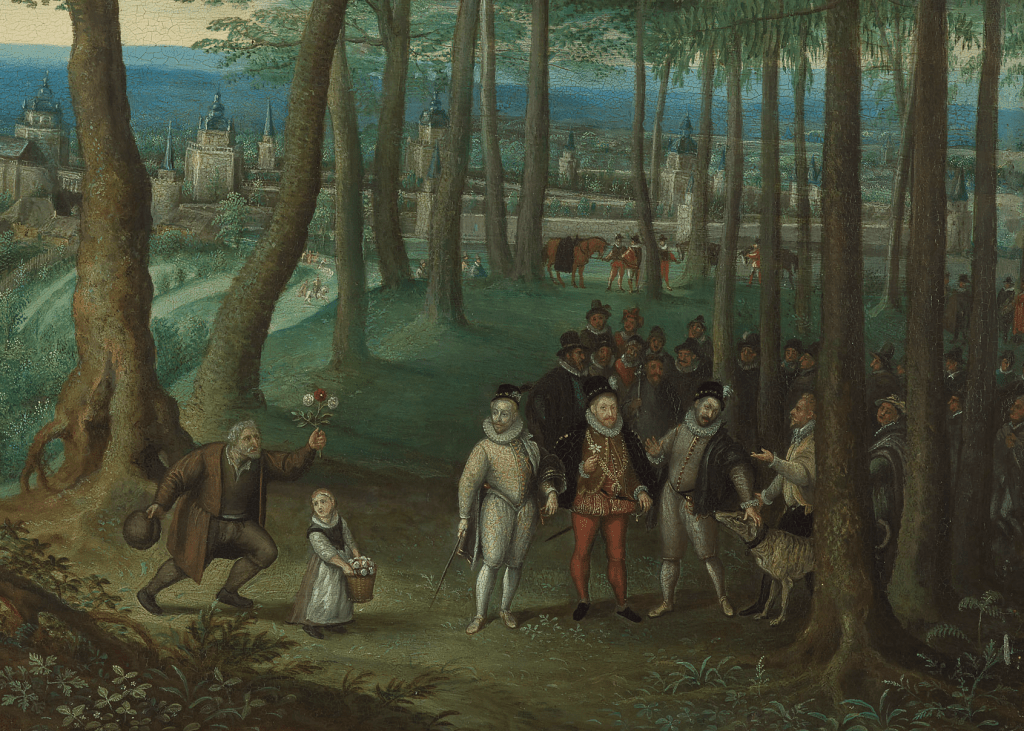
My doctoral project draws on textual, visual, material, and aural evidence from archives, libraries, and museums across Austria, Belgium, Czechia, Germany, Hungary, Italy, Netherlands, Poland, Slovakia, Spain, Sweden, and the United Kingdom and charts the religious formation of Holy Roman Emperor Matthias I Habsburg (1557–1619) against the backdrop of growing confessional polarisation in Europe on the eve of the Thirty Years’ War. My research challenges conventional interpretations of the Habsburgs’ Catholicism, arguing that their shift toward an increasingly exclusivist, militant, and overt confessional piety was neither immediate nor inevitable. On the eve of war, Matthias embraced an alternative brand of Catholicism—one that resisted the emergent confessional models, rejected religious violence, and advocated for peace among Christians. More broadly, this research explores what it meant to be a believer in the Reformation era, examining how personal faith intersected with political, social, and cultural forces in a time of profound religious change.
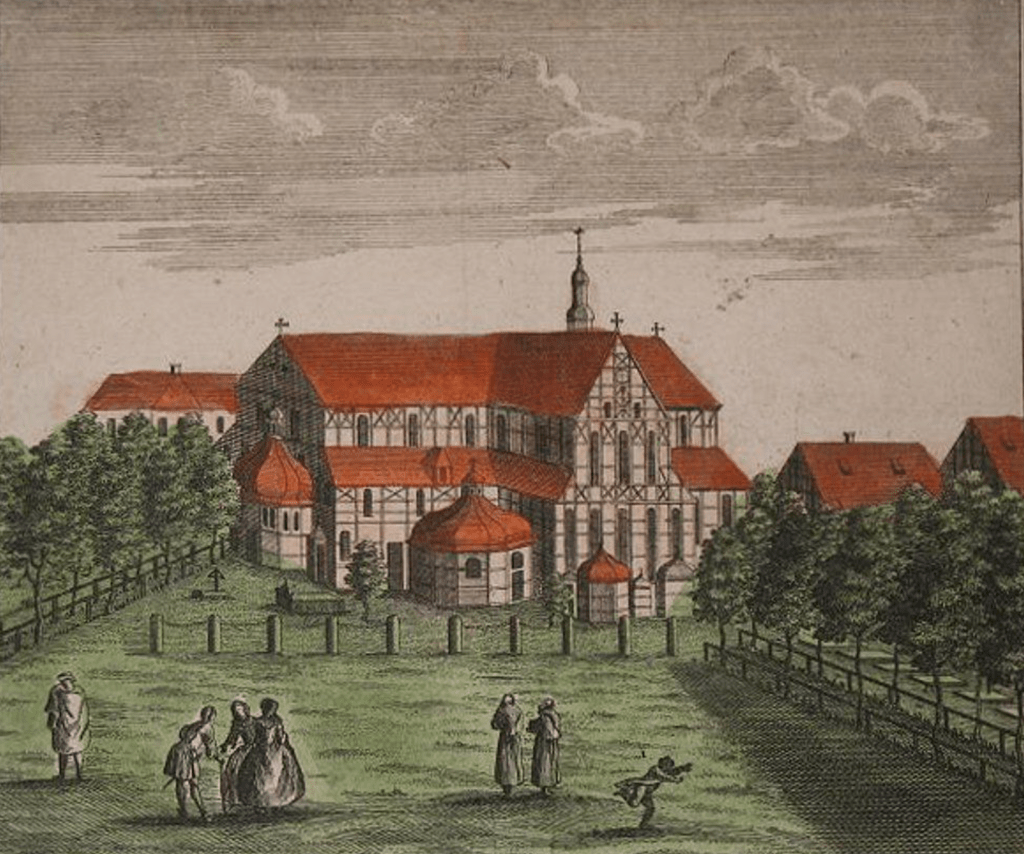
My current research repositions my interest in the practices of religious toleration and peacemaking within the framework of environmental history. I am particularly interested in how natural environments shaped—and were shaped by—the practices of multiconfessionalism. Through the lens of church architecture, I examine how religious minorities in early modern Europe negotiated coexistence not only through legal and political arrangements, but also through their engagement with the material and natural worlds. All buildings, religious and otherwise, are vulnerable to decay and destruction. But for communities gathered around minority churches—structures often subject to violent attacks as well as special restrictions on their construction and maintenance—this vulnerability was felt more acutely. Built on fragile legal and social foundations, these churches required not only protection but also extraordinary care. For religious minorities, what were ordinarily concerns about durability became existential threats. By exploring the relationship between faith, environment, materiality, and survival, my research challenges dominant narratives of toleration and modernity.
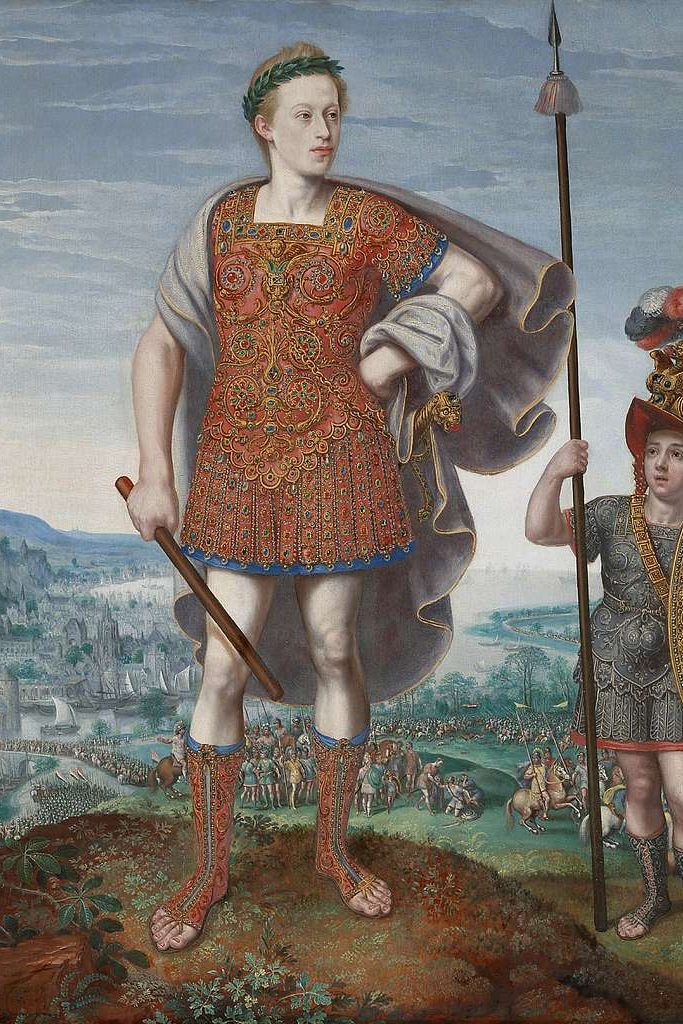
A common thread running through my past and present research examines the complex relationship between power, image, and identity, particularly how symbols were mobilised to construct and assert authority. In my article (Honourable Mention, R. John Rath Prize), I explore how the Habsburgs crafted a shared dynastic identity by associating themselves with figures like the Roman general, Scipio Africanus. These shared symbols have been traditionally seen as unifying, evoking a sense of ancient ancestry and superiority. I challenge this view, arguing that the Habsburgs’ different, sometimes competing, uses of Scipio reveal deeper insights into the complex power dynamics, individual ambitions, and internal rivalries within the family. While these images were central to the dynasty’s identity and authority, they also exposed vulnerabilities, offering a lens through which to understand the tensions beneath the surface of their public image.
A list of my selected publications and other research outputs is available here.
 Anastazja Grudnicka