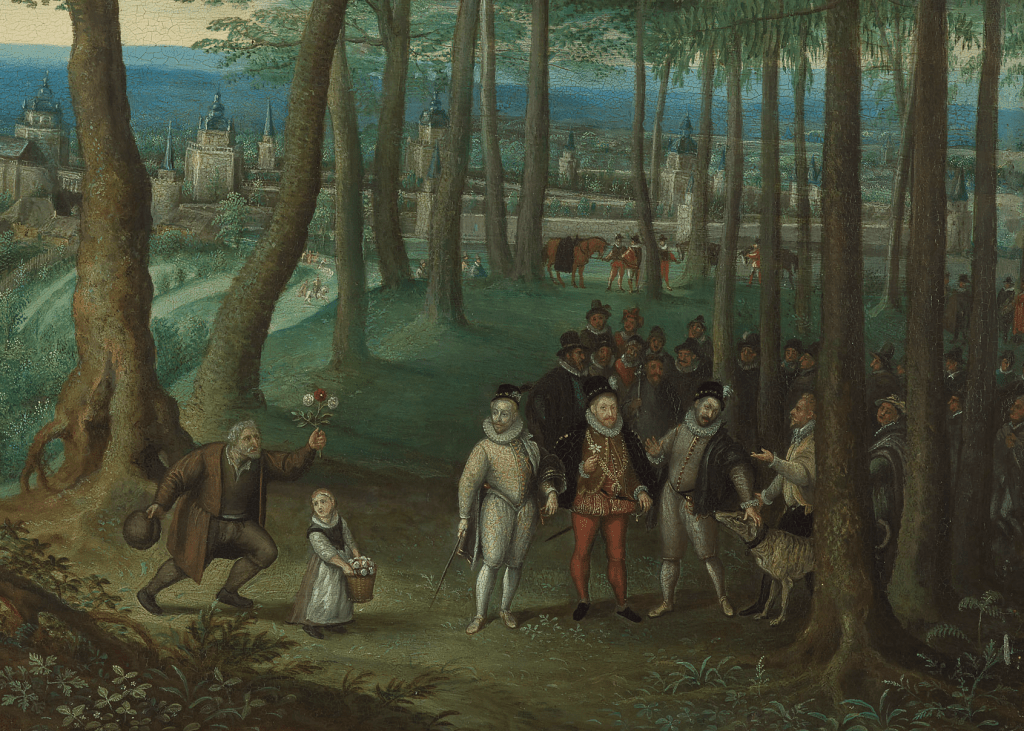
My doctoral project draws on textual, visual, material, and aural evidence from archives, libraries, and museums across Austria, Belgium, Czechia, Germany, Hungary, Italy, Netherlands, Poland, Slovakia, Spain, Sweden, and the United Kingdom and charts the religious formation of Holy Roman Emperor Matthias I Habsburg (1557–1619) against the backdrop of growing confessional polarisation in Europe on the eve of the Thirty Years’ War. My research challenges conventional interpretations of the Habsburgs’ Catholicism, arguing that their shift toward an increasingly exclusivist, militant, and overt confessional piety was neither immediate nor inevitable. On the eve of war, Matthias embraced an alternative brand of Catholicism—one that resisted the emergent confessional models, rejected religious violence, and advocated for peace among Christians. More broadly, this research explores what it meant to be a believer in the Reformation era, examining how personal faith intersected with political, social, and cultural forces in a time of profound religious change.
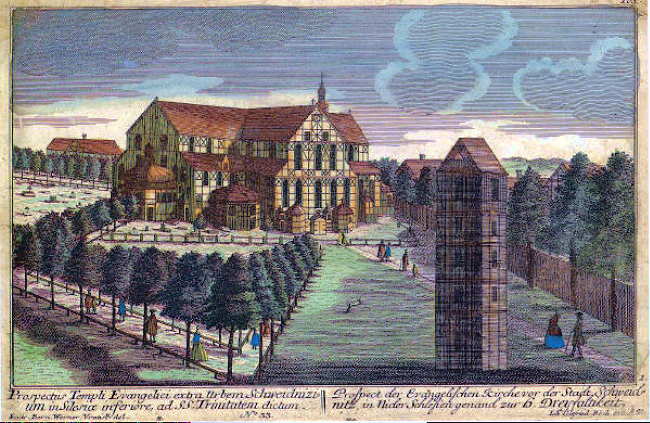
The intersection of peace and piety that animated the religiosity of Matthias Habsburg presents the point of departure for my current research. Despite their differing religious predilections, early modern Christians often sought to avoid potential as well as mitigate and bring to an end existing religious conflicts. This pursuit of peace is typically considered under the umbrella of religious toleration. Though related, peace and toleration carried distinctive meanings. While various forms of religious coexistence were present across early modern Europe, it was by and large a begrudgingly accepted reality—toleration was never promoted as a goal in and of itself. Peace, meanwhile, was celebrated as both a spiritual and a pragmatic pursuit. Drawing on the material turn, this project examines how peace was experienced, promoted, and memorialised in the time of religious reformations to ask what contemporaries understood peace to be.
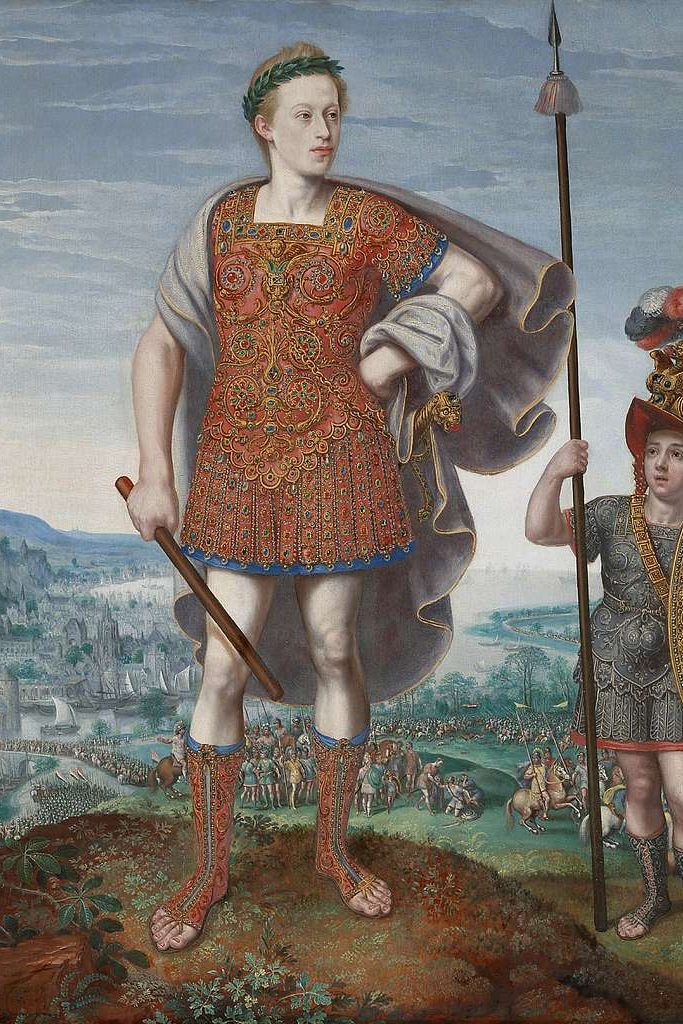
A common thread running through my past and present research examines the complex relationship between power, image, and identity, particularly how symbols were mobilised to construct and assert authority. In my article (Honourable Mention, R. John Rath Prize), I explore how the Habsburgs crafted a shared dynastic identity by associating themselves with figures like the Roman general, Scipio Africanus. These shared symbols have been traditionally seen as unifying, evoking a sense of ancient ancestry and superiority. I challenge this view, arguing that the Habsburgs’ different, sometimes competing, uses of Scipio reveal deeper insights into the complex power dynamics, individual ambitions, and internal rivalries within the family. While these images were central to the dynasty’s identity and authority, they also exposed vulnerabilities, offering a lens through which to understand the tensions beneath the surface of their public image.
A list of my selected publications and other research outputs is available here.
 Anastazja Grudnicka